
Research Notes
Quality, handling & storage.
Practical, lab-focused guides — how to read a Certificate of Analysis, reconstitute lyophilised peptides, and keep material stable. Written for researchers. Research use only.
Peptide reconstitution: diluents, concentration maths and bench technique
How to reconstitute a lyophilised research peptide: choosing a diluent, working out the concentration and a careful step-by-step bench technique.
Read article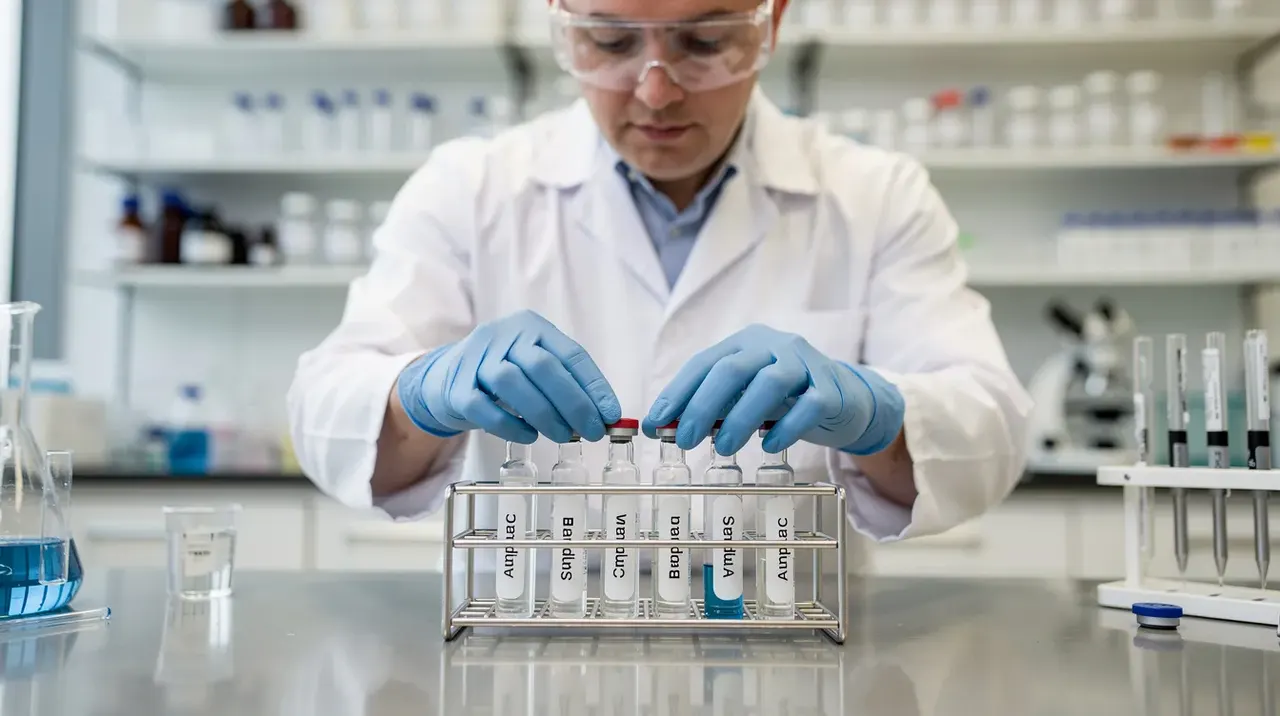
How to read a peptide certificate of analysis (COA)
A peptide COA section by section: batch details, HPLC purity, mass-spec identity and net peptide content, plus the warning signs of a weak certificate.
3 Nov 2026
Peptide storage and stability: keeping research peptides viable
A peptide is only as good as the way it is stored. Here is what actually degrades them, and how long they realistically last in each state.
11 Jun 2026
GLP-1 research peptides compared: retatrutide, mazdutide and the incretin field
The incretin field has moved from single-receptor agonists to dual and triple agonists in a few short years. Here is how the main research peptides actually differ.
9 Jun 2026
Peptide bonds explained: how amino acids form peptides
The peptide bond is the single chemical link that turns a row of amino acids into a peptide. Understanding it explains a lot about how peptides behave.
8 Jun 2026Bacteriostatic water explained: the standard peptide diluent
Bacteriostatic water is the quiet workhorse of any peptide lab. Here is what makes it different from sterile water — and why that difference matters.
6 Jun 2026
TB-500: a research guide for UK laboratories
TB-500 is the synthetic fragment behind a large body of cell-migration and tissue-repair research. Here is what it is, and what to look for when sourcing it.
6 Jun 2026
Tesamorelin: a research guide for UK laboratories
Tesamorelin as a stabilised GHRH analogue, the research it's studied in, and why purity verification matters for longer peptides. For in-vitro research use only.
1 Jun 2026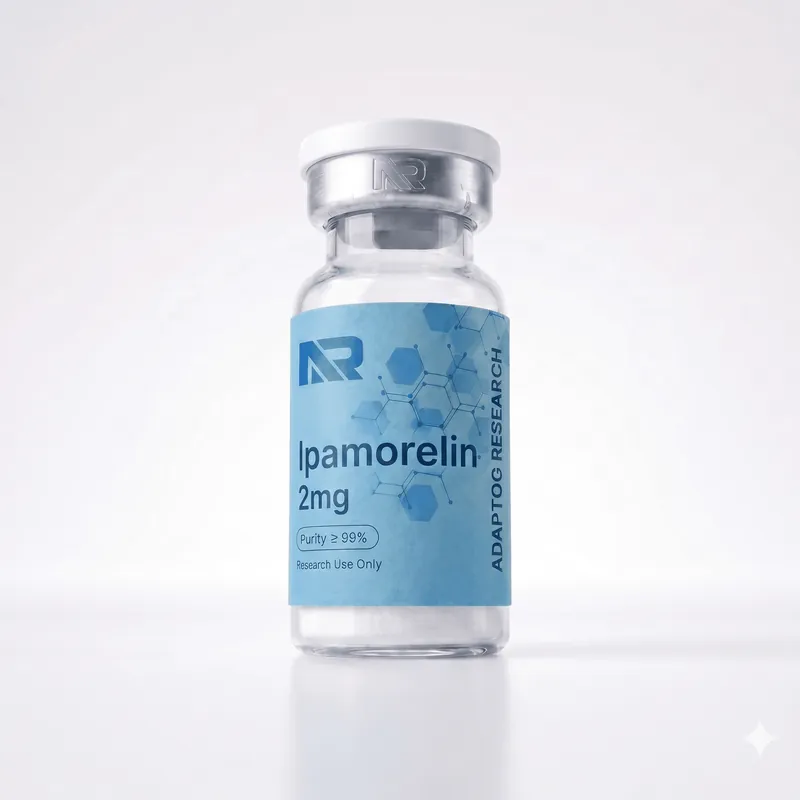
Ipamorelin: a research guide for UK laboratories
Why ipamorelin is called a selective GH secretagogue, how it differs from CJC-1295, and what to check when sourcing it in the UK. For in-vitro research use only.
1 Jun 2026
CJC-1295 (No DAC): clearing up the confusion
CJC-1295 No DAC vs DAC, why it's the same as Modified GRF(1-29), and what to look for when sourcing it in the UK at 99% purity. For in-vitro research use only.
1 Jun 2026
GHK-Cu: a research guide for UK laboratories
The copper tripeptide GHK-Cu — what it is, why the solution is blue, the dermal and matrix research it's used in, and what to check on the COA. For research use only.
1 Jun 2026
Retatrutide: a research guide for UK laboratories
What retatrutide is, the GIP/GLP-1/glucagon triple-receptor models it's studied in, and why 99% HPLC purity matters when sourcing it in the UK. Research use only.
1 Jun 2026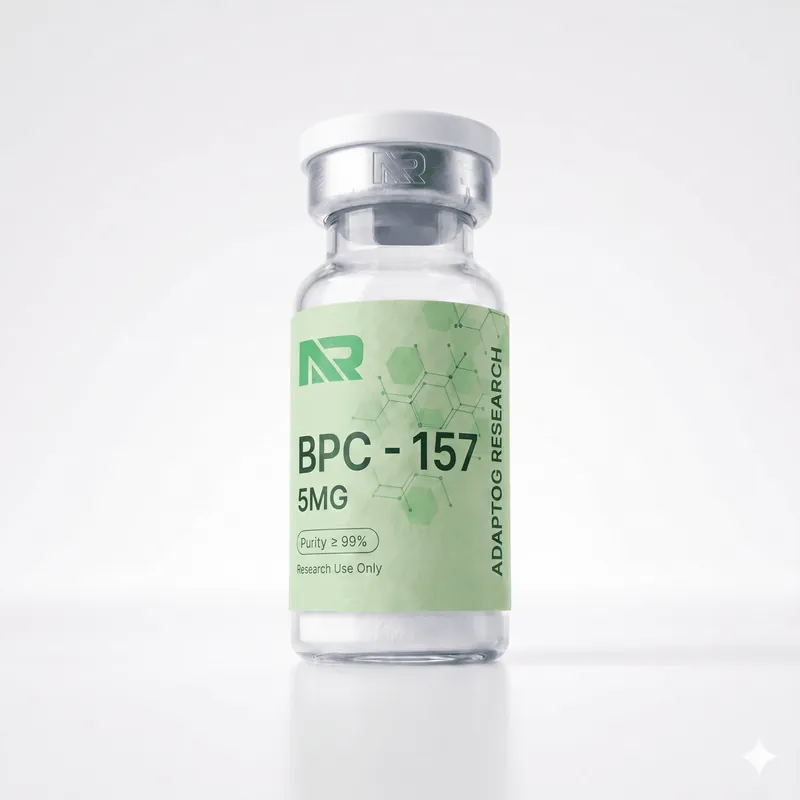
BPC-157: a research guide for UK laboratories
What BPC-157 is, the research models it's studied in, why 99% HPLC purity matters, and what to look for when sourcing it in the UK — for in-vitro research use only.
1 Jun 2026
UK peptides: a buyer’s guide to research peptides in the UK
What to check before you buy UK peptides: batch COAs, HPLC purity, mass-spec identity, research-use labelling and tracked UK delivery.
1 Jun 2026