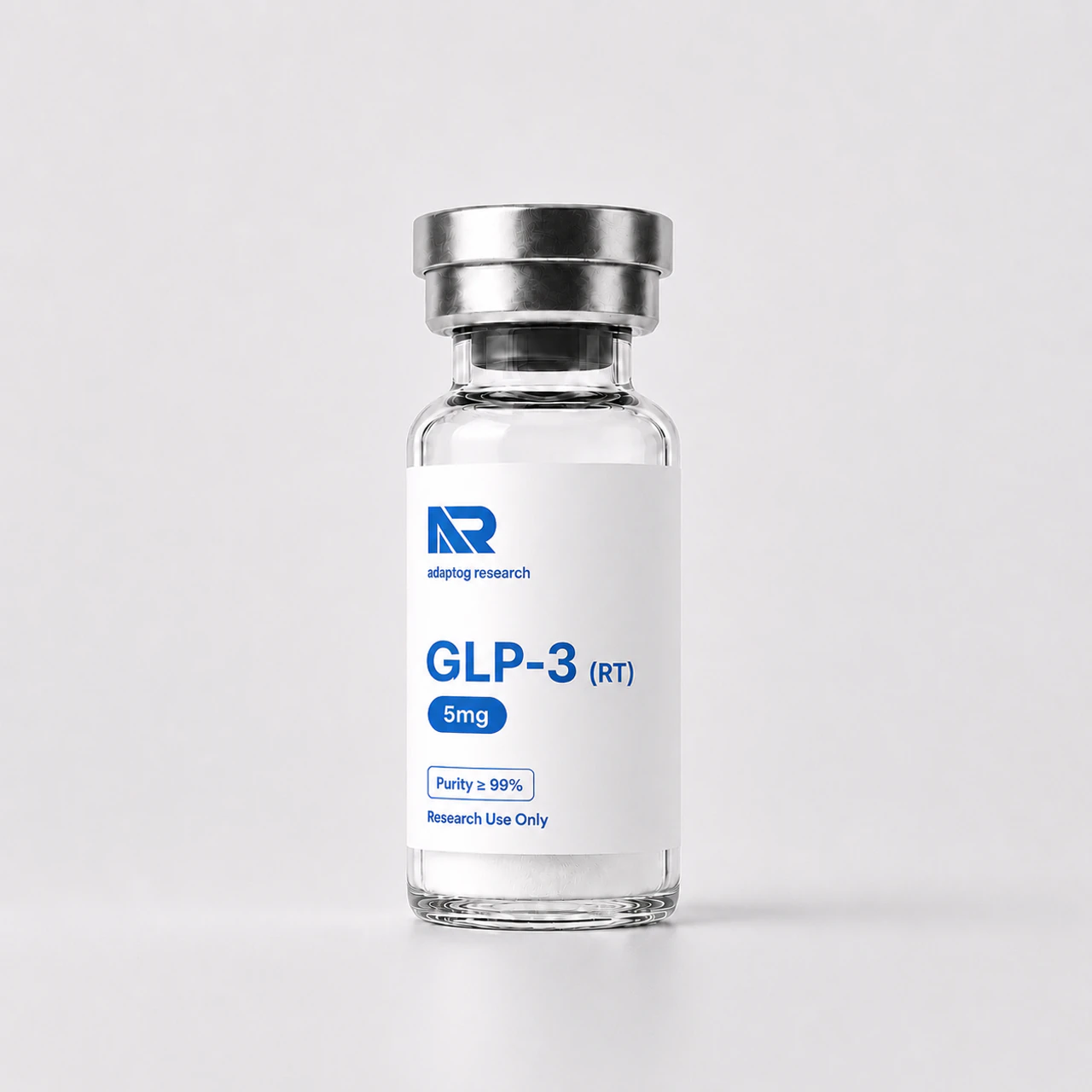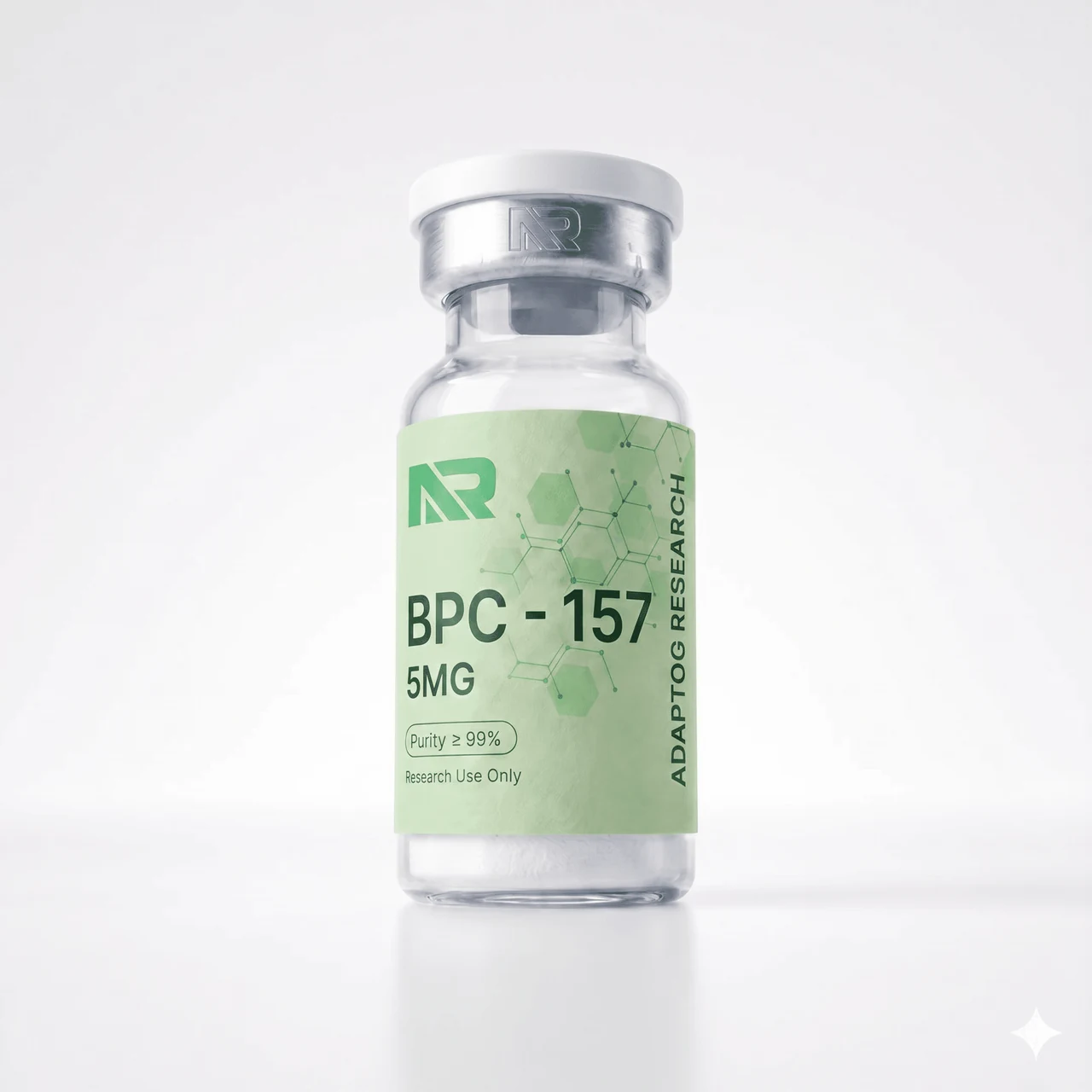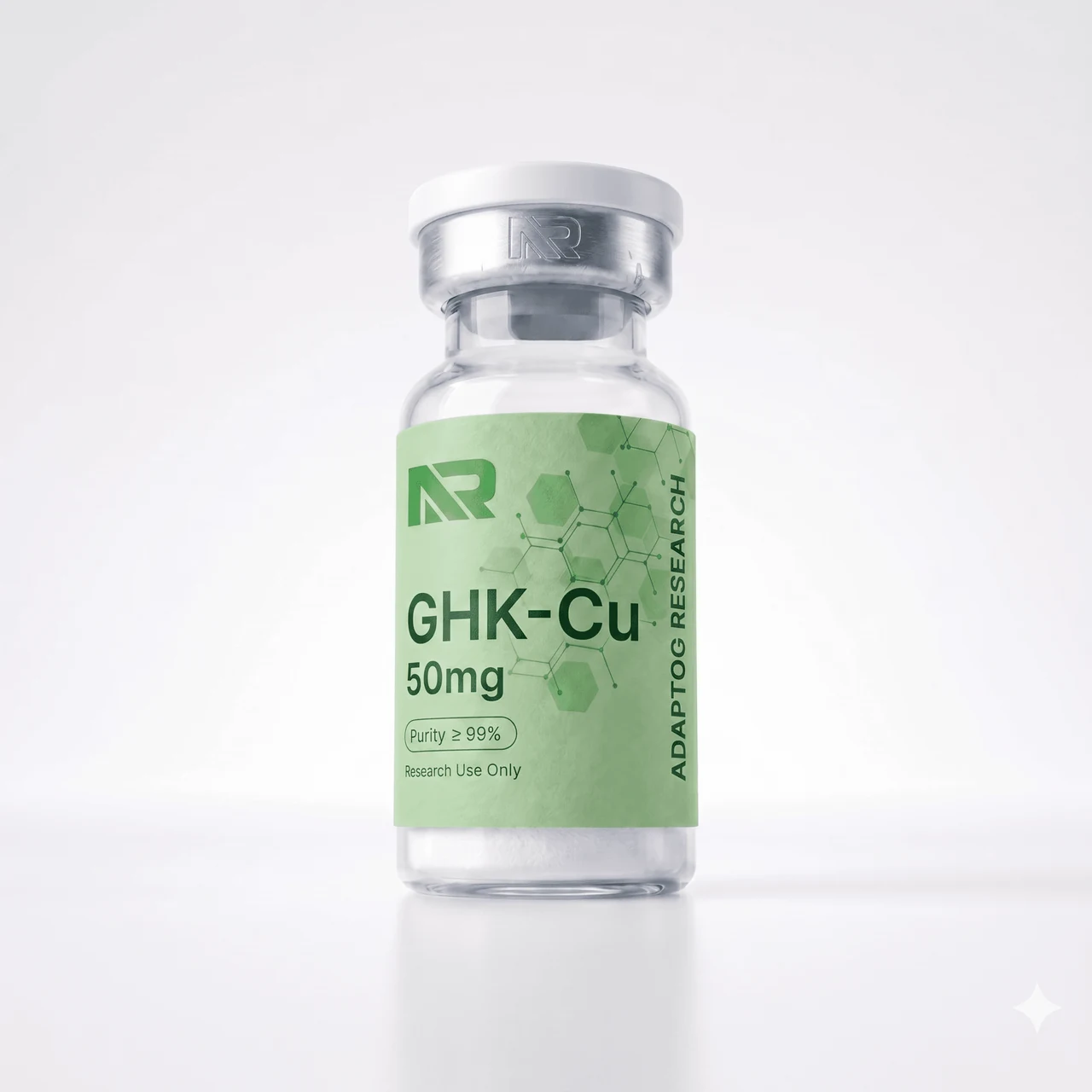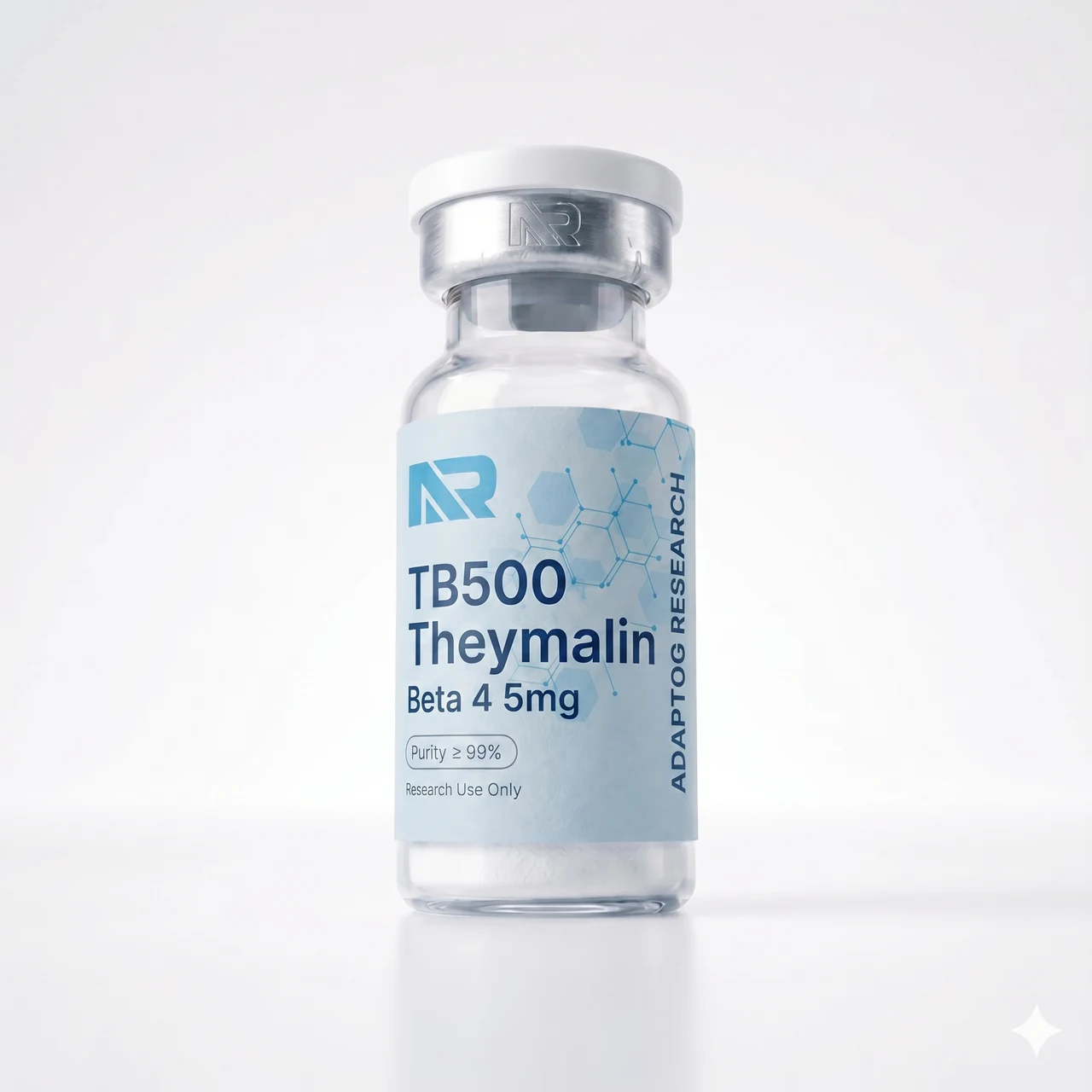

What to check before you buy UK peptides: batch COAs, HPLC purity, mass-spec identity, research-use labelling and tracked UK delivery.
Searching for UK peptides usually means one of two things: you want a supplier that dispatches from inside the UK, and you want to be sure that what arrives is what the label says. This guide covers both — what research peptides are, how they are treated in the UK, and the checks worth making before you order from any UK peptide supplier, including us.
UK peptides at a glance
- What they are: synthetic peptides sold as laboratory reagents for in-vitro research — not medicines, supplements or cosmetics.
- Who buys them: university and biotech labs, contract research teams and individual researchers working with cell, receptor and biochemical models.
- What to check: a batch-specific certificate of analysis (COA), HPLC purity, mass-spec identity, clear research-use labelling, sensible storage and tracked UK delivery.
- Why UK dispatch matters: no import delays or customs holds, faster delivery of temperature-sensitive material, and a supplier you can actually reach if something is wrong.
HiPeptides — formerly UKPeptides (ukpeptides.com) — supplies research peptides from the UK with same-day dispatch on weekday orders placed before 12pm and free tracked UK delivery over £50.
What research peptides are
Peptides are short chains of amino acids — typically 2 to 50 — joined by peptide bonds. Many act as signalling molecules in biology: hormones, growth factors, neuropeptides and fragments of larger proteins. Synthetic research peptides let scientists reproduce, block or probe those signals under controlled conditions, in cell culture, receptor-binding assays and pathway studies.
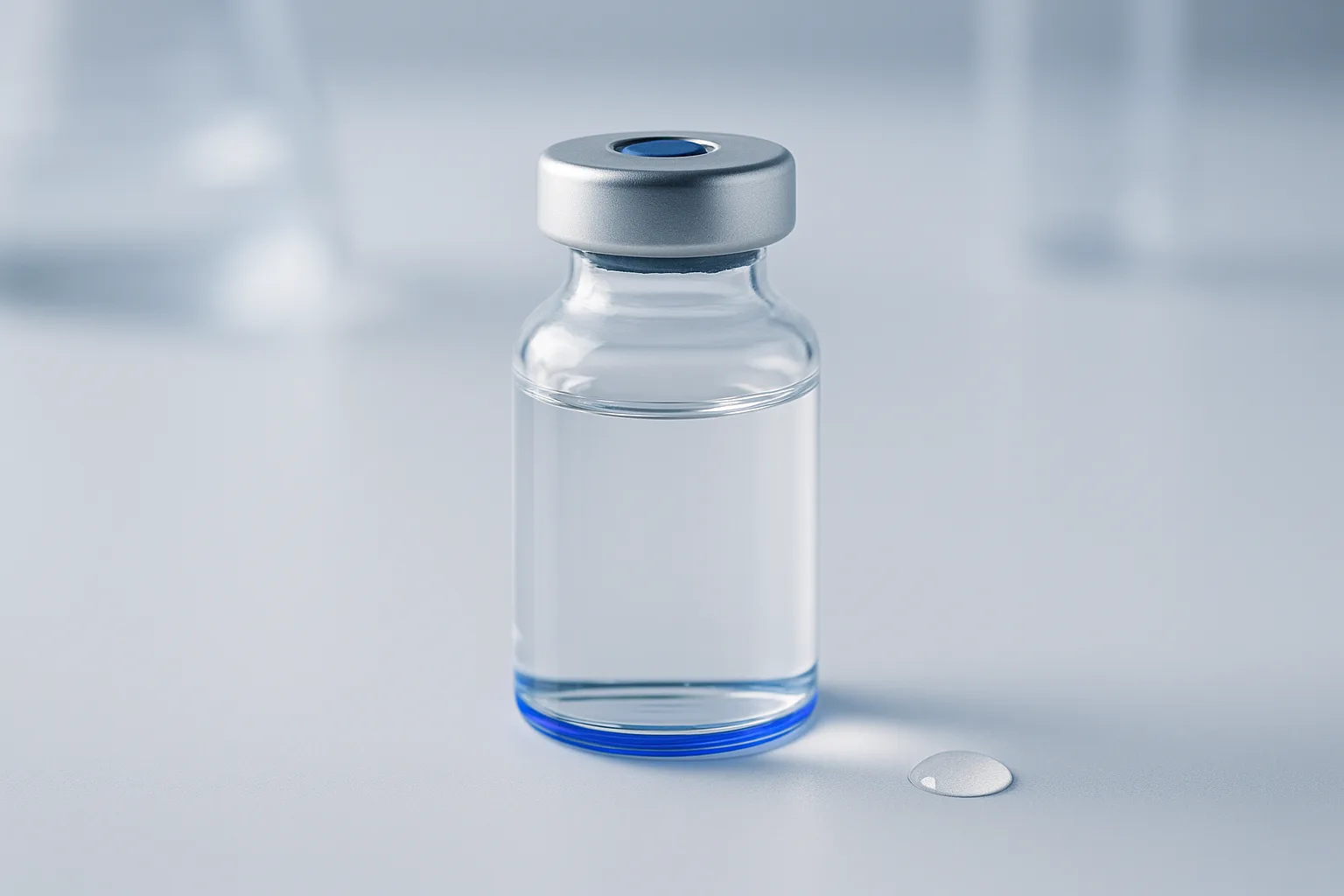
Most research peptides are supplied lyophilised (freeze-dried) as a powder in a sealed vial, and are reconstituted in a suitable diluent such as bacteriostatic water before use. Some are supplied ready-made as solutions or sprays for specific research set-ups.
How peptides are treated in the UK
In the UK, medicines are regulated under the Human Medicines Regulations 2012 and overseen by the Medicines and Healthcare products Regulatory Agency (MHRA). Licensed peptide medicines are prescribed and dispensed through that system.
Research peptides sit outside it: they are unlicensed laboratory reagents, labelled and sold for research use only. That means a responsible UK supplier will not give dosing advice, will not describe products as treatments, and will not sell them for human or veterinary use. If a seller does any of those things, treat it as a red flag about the rest of their operation too.
This article is general information, not legal advice. If your work has specific compliance requirements, check them with your institution.
Six checks before you buy UK peptides
1. A batch-specific COA you can see before ordering
A certificate of analysis should name the compound, the batch or lot number, the test date and the methods used. Ideally you can view it on the product page before you buy, and the batch number matches the vial you receive. A single generic certificate reused across every batch tells you very little. Our guide on how to read a peptide COA walks through each section.
2. HPLC purity — and an honest number
High-performance liquid chromatography (HPLC) separates the target peptide from synthesis by-products and reports purity as a percentage of the total peak area. Real results vary from batch to batch and compound to compound; a supplier who quotes exactly the same round figure for everything is worth questioning.
3. Identity confirmed by mass spectrometry
Purity tells you how much of the sample is one thing; mass spectrometry (MS or LC-MS) tells you whether that thing is the right molecule, by comparing the observed molecular weight with the theoretical one.
4. Clear research-use labelling
Vials and listings should state the compound, quantity and that the product is for research use only. Vague or lifestyle-style marketing is a sign the seller is not supplying to a research standard.
5. Storage and handling
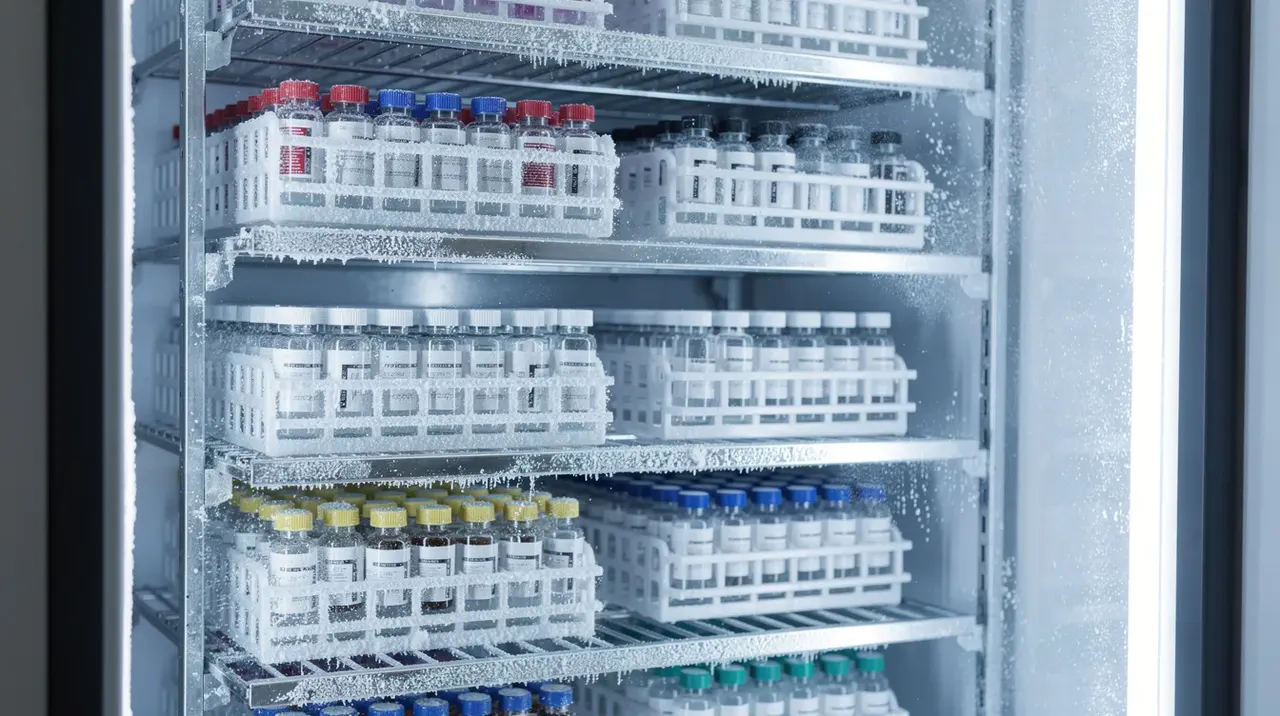
Lyophilised peptides are generally stable when kept cold, dry and away from light; reconstituted solutions are far more fragile. A good supplier stores stock appropriately and tells you how to store it after delivery. See our peptide storage and stability guide for the detail.
6. Tracked UK delivery and a reachable team
UK dispatch with tracking, a clear cut-off time and a real contact address matter more than they sound — especially when material is temperature-sensitive or a delivery goes missing.

Commonly researched peptides
The UK research market is broad, but a handful of compounds account for a large share of orders. Each links to its product page, where available COAs are published:
- BPC-157 and TB-500 — tissue-repair and cell-migration research models; also available as a BPC-157 + TB-500 blend.
- GHK-Cu — a copper-binding tripeptide studied in skin, collagen and wound-healing models.
- CJC-1295, Ipamorelin and Tesamorelin — growth-hormone-axis research.
- Semax and Selank — neuropeptide research, supplied as nasal sprays.
- MOTS-c — mitochondrial and metabolic research.
- Bacteriostatic water — the standard diluent for reconstitution.
The full range is in the HiPeptides catalog.
Ordering from HiPeptides
- Dispatch: weekday orders placed before 12pm leave the same day from the UK.
- Delivery: Royal Mail Tracked, free on UK orders over £50; international delivery options are shown at checkout.
- Documentation: COAs are published on product pages wherever we hold them for the current batch.
- Payment: card or bank transfer at a secure checkout.
- Support: questions about a batch, a COA or an order go to [email protected].
We do not advise on human or veterinary use, medical protocols or dosing.

Frequently asked questions
Are UK peptides better than imported ones?
Not automatically — what matters is documentation and handling. A UK supplier does remove customs delays and import risk, and makes it easier to resolve problems, which is why many UK labs prefer one.
Is it legal to buy research peptides in the UK?
Research peptides are sold in the UK as laboratory reagents for research use only. They are not licensed medicines and must not be sold or used for human consumption. Your own institution's rules may add further requirements.
What purity should I look for?
Look for an HPLC result for the specific batch, not a generic claim. Many research applications look for 98–99% or higher, but the right threshold depends on the work, and the COA should show the actual figure.
Is HiPeptides the same company as UKPeptides?
Yes. HiPeptides is the new name of UKPeptides (ukpeptides.com) — the same team, catalogue and dispatch. Existing customer accounts carried over.
How fast is UK delivery?
Weekday orders placed before 12pm are dispatched the same day by Royal Mail Tracked; most UK deliveries arrive within one to two working days.
For research use only. This article is educational and does not describe human, clinical or veterinary use.
Written and reviewed to our editorial standards. Explore the research peptide catalog or read more in Research Notes.
For research use only · Not for human or veterinary use